
June 30, 2026

A Salesforce consultant is a certified professional who helps businesses plan, set up, customize, and improve their Salesforce CRM, so it fits how the company works. They translate business goals into working Salesforce features - configuring sales pipelines, automating service processes, migrating data, and training your team. The result is a CRM people use and trust, not one that sits half-empty.
Here's what a Salesforce consultant typically delivers:
In this guide, you'll learn what a Salesforce consultant does, the services they offer, the different types, what they cost, and how the right one drives measurable business growth.
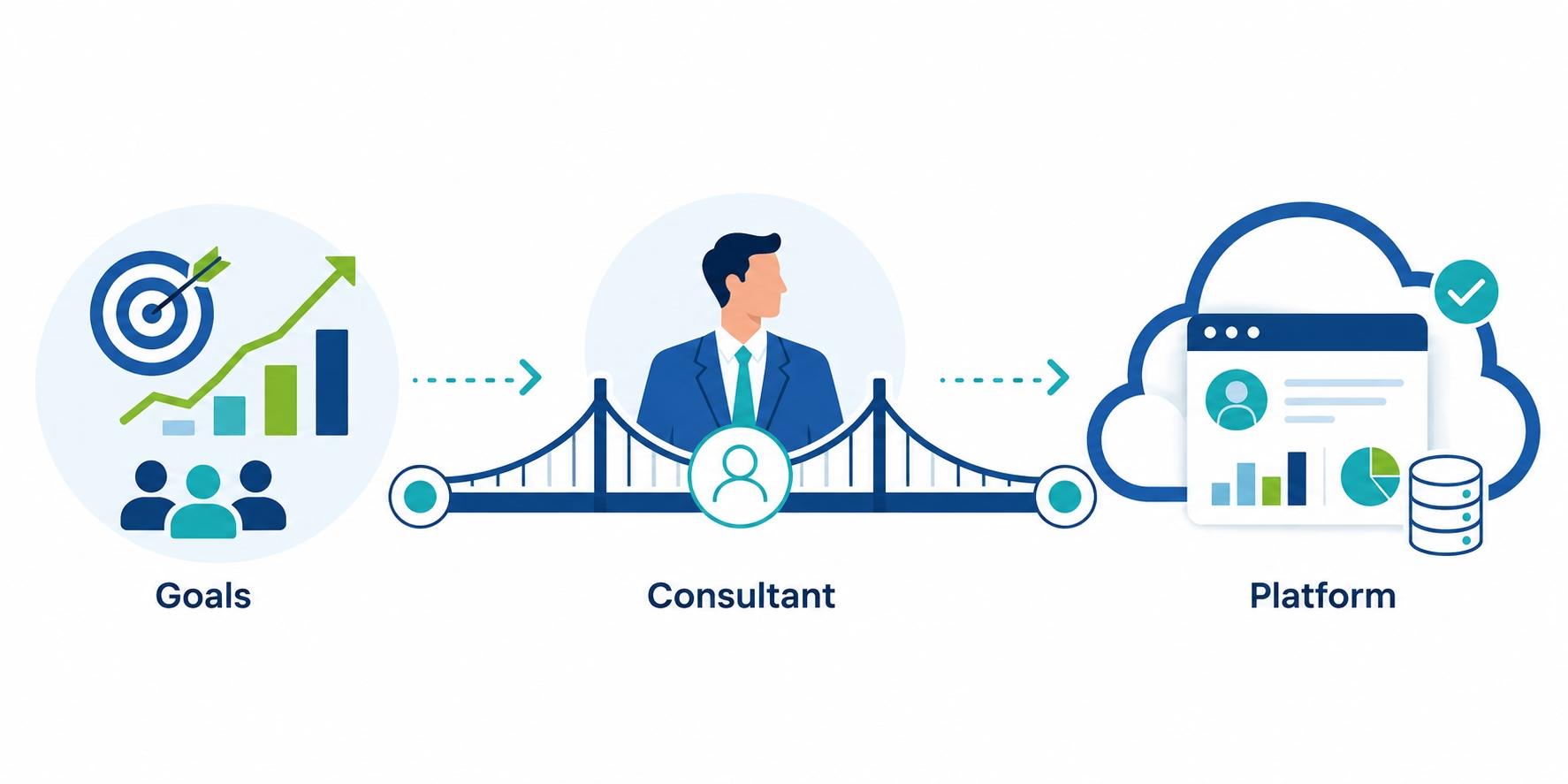
A Salesforce consultant is a Salesforce expert who guides a business through planning, building, and getting value from its Salesforce investment. Think of them as the bridge between your goals and the platform: you describe the outcome you want, and they design the configuration, automation, and data model to make it happen.
Most consultants hold one or more Salesforce certifications - credentials earned by passing official exams. A certified Salesforce consultant has proven knowledge of a specific area, such as Sales Cloud, Service Cloud, or solution architecture. Certifications aren't everything, but they're a reliable signal that the person knows the platform beyond the basics.
These three roles get mixed up, so here's the short version. A Salesforce administrator manages the day-to-day system - users, reports, and small changes. A Salesforce developer writes custom code (Apex, Lightning components) for complex needs. A Salesforce consultant sits above both: they shape the strategy, design the solution, and often direct the admins and developers who build it. Many consultants can do all three when a project is small.
Salesforce consultant services cover the full life of a CRM project - from the first whiteboard session to long after launch. The exact mix depends on your needs, but most engagements include the following.

The consultant studies how your sales, service, or marketing teams work, then maps those processes to Salesforce. This step prevents the most common mistake: buying licenses and features you don't need while missing the ones you do.
This is the build. A Salesforce implementation consultant configures objects, page layouts, automation flows, and dashboards, so the system matches your workflow. Good customization feels invisible - the team just finds the right field where they expect it.
Your data needs to be cleaned. Consultant's de-duplicate records, map fields, and move data from legacy systems without losing history. They also connect Salesforce to other tools - your ERP, finance system, or marketing platform - so information flows in one direction without manual re-entry.
A CRM only pays off when people use it. Consultants run training, write simple guides, and fix friction in the first weeks after launch. Many stay on for ongoing support, tuning the system as your business changes.
"Salesforce consultant" is a broad title. In practice, consultants specialize, and matching the specialty to your project saves time and money.
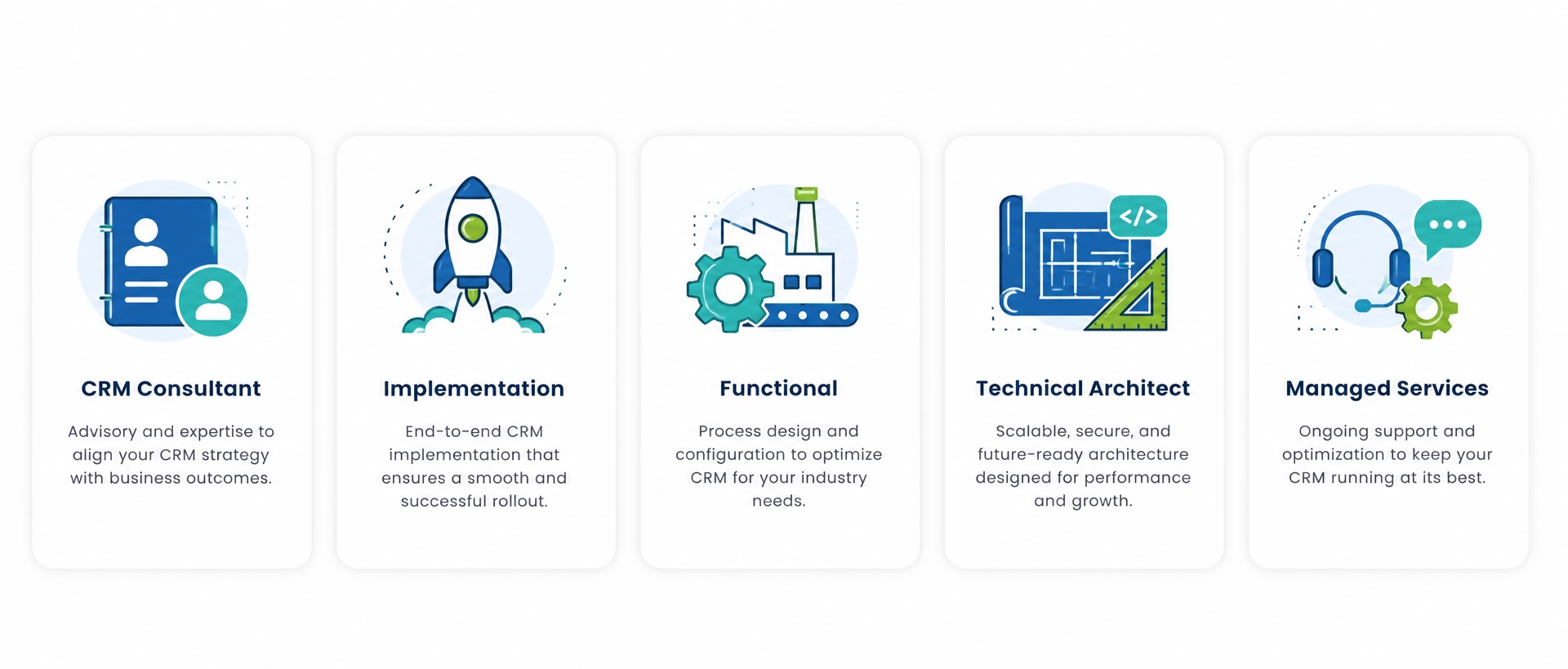
Some businesses need just one type; larger projects need a few working together. A Salesforce CRM consultant might handle a small Sales Cloud rollout, while an enterprise migration calls for an architect plus implementation specialists.
You can set up Salesforce on your own. The question is whether you should. Here's what a good consultant adds that an internal team usually can't, at least not quickly.

For a deeper look at evaluating the right help, see Minuscule's guide on choosing the right Salesforce partner. The Salesforce admin community resources are also a useful reference for what good governance looks like.
The real value isn't a tidy CRM - it's what the CRM makes possible. A skilled consultant turns Salesforce into a growth engine in a few concrete ways.
First, they shorten sales cycles. By automating lead routing, approvals, and follow-ups, reps spend more time selling and less on admin. Second, they improve forecasting. Clean data and well-built dashboards give leaders a real-time view of the pipeline, so decisions rest on facts, not guesses.
Third, they raise customer retention. A consultant can wire up service automation and AI tools like Einstein and Agentforce to resolve cases faster, which keeps customers around longer. Fourth, they cut waste. By trimming unused licenses and reducing tech debt, the free budget you can put toward growth instead of overhead - the kind of return Minuscule covers in its guide on maximizing returns with a certified partner. To see where the platform is headed, the official Salesforce blog tracks new releases worth planning for.
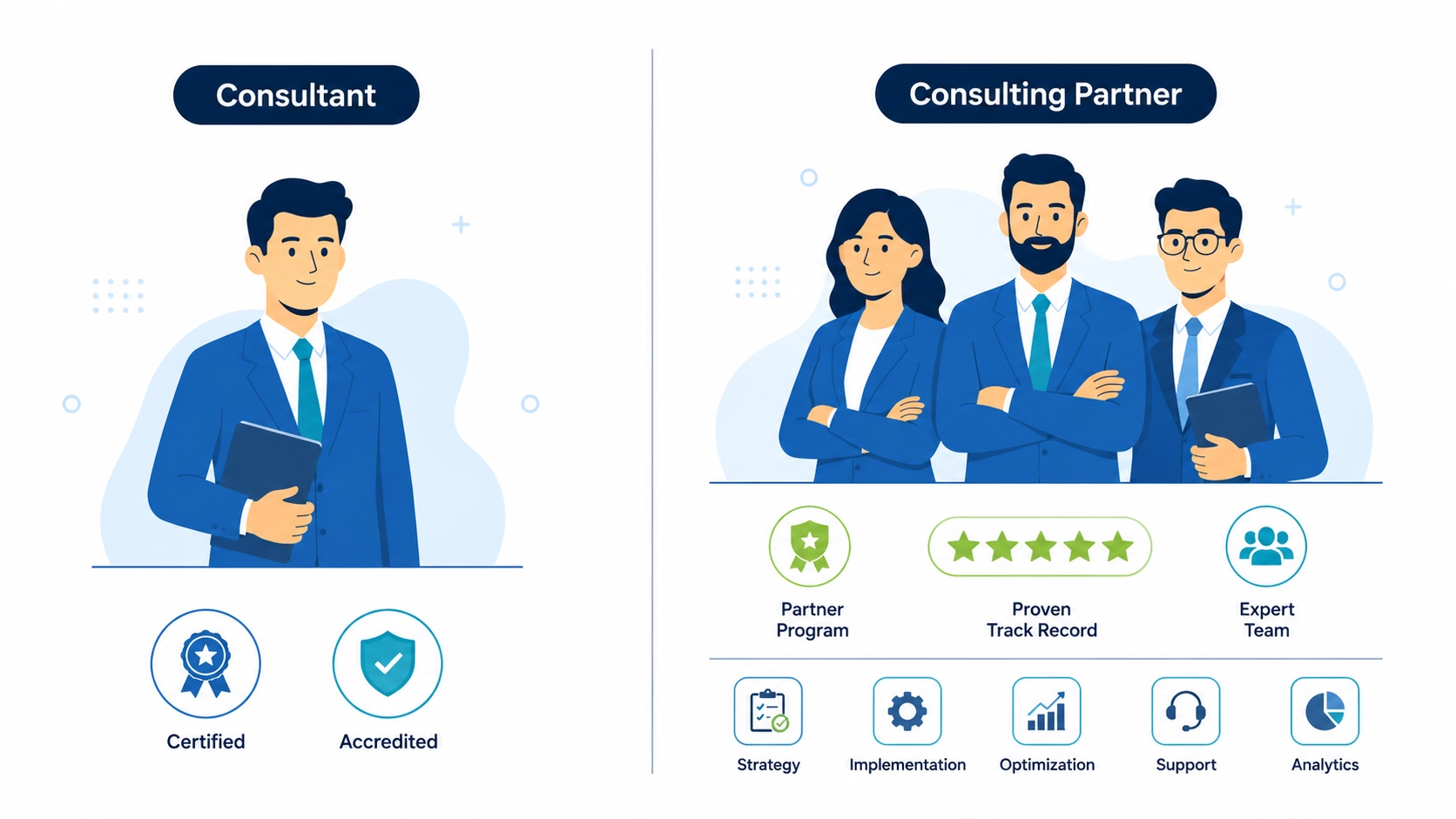
People use these terms interchangeably, but there's a useful distinction. A Salesforce consultant is usually an individual - a person with the skills and certifications to advise and build. A Salesforce consulting partner is a firm officially recognized in the Salesforce Partner Program, with a team of consultants, a track record of projects, and verified reviews on the Salesforce AppExchange.
For a quick fix or a single specialist, an independent consultant can work well. For a serious implementation - where you want a bench of experts, accountability, and support after launch - a consulting partner is the safer choice. You can read how partner standing is scored on Salesforce Ben. Firms like Minuscule Technologies bring a team of certified consultants rather than a lone advisor, which matters when a project grows beyond one person's capacity.
Salesforce consultant rates in the US generally run from $75 to $250+ per hour, depending on experience, location, and specialty. An independent consultant sits at the lower end; a senior architect at a top firm sits at the top.
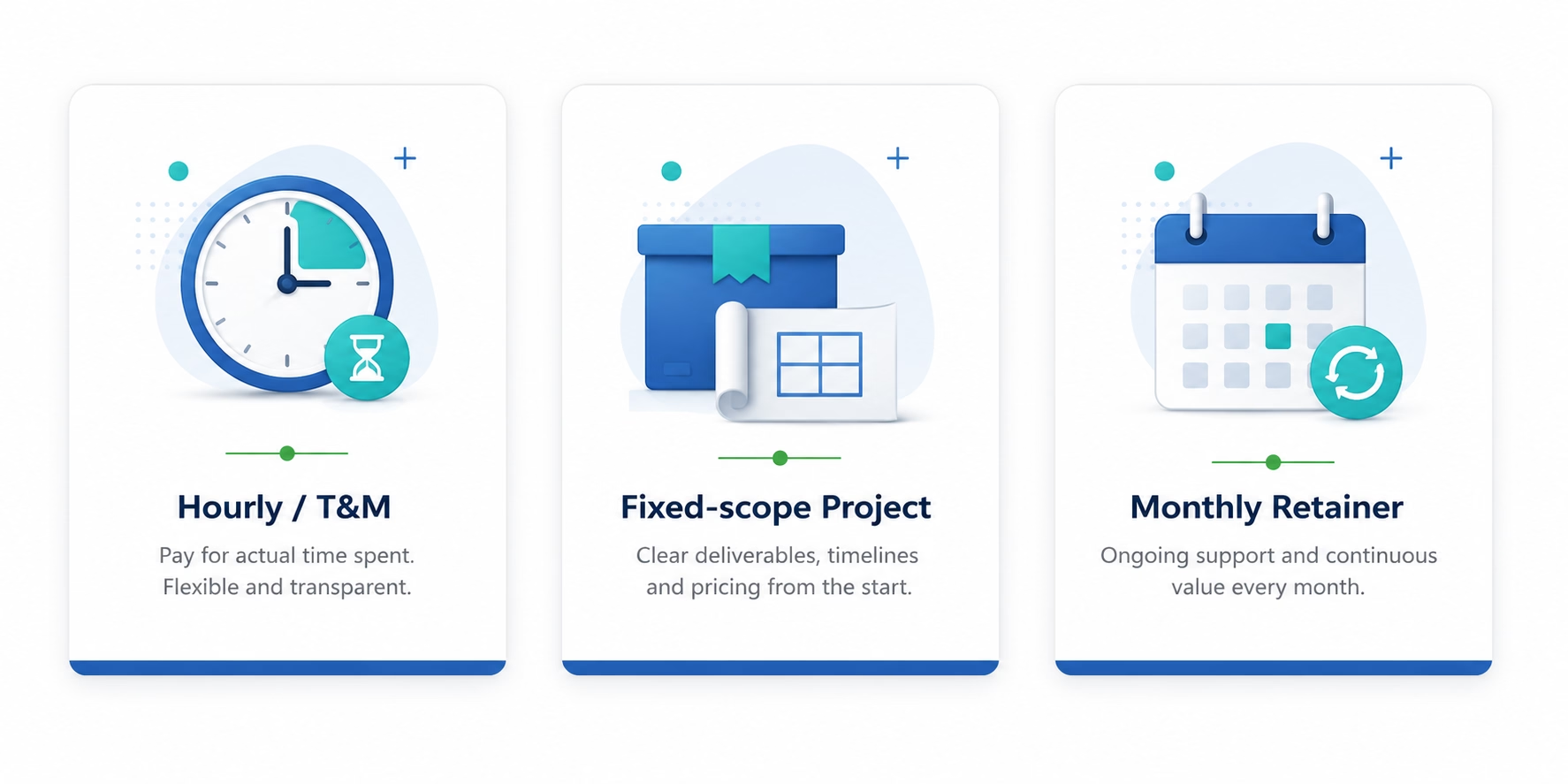
Engagements usually follow one of three models:
A focused project might cost a few thousand dollars; a full mid-market implementation often lands between $25,000 and $150,000. The smarter measure isn't the hourly rate - it's whether the consultant lowers your total cost of ownership and speeds up the value you get from Salesforce.
A Salesforce consultant plans, configures, customizes, and optimizes your Salesforce CRM to match how your business works. Their services span strategy, implementation, data migration, integration, training, and ongoing support. The goal is a system your team adopts, and that delivers measurable results.
Look for a certified Salesforce consultant who holds relevant credentials such as Sales Cloud Consultant, Service Cloud Consultant, or Application Architect. Beyond certifications, ask for case studies in your industry and references, since hands-on delivery experience matters as much as exam badges.
A Salesforce administrator manages the system day to day - users, reports, and small configuration changes. A Salesforce consultant works at a higher level, shaping strategy, designing the solution, and guiding the build. Consultants often direct administrators and developers during a project.
Often, yes. Even a small Salesforce CRM consultant engagement can prevent costly setup mistakes and speed up adoption. For very simple needs, a few hours of advisory help may be enough, while a larger rollout benefits a full implementation consultant or partner.
A Salesforce developer writes custom codes such as Apex and Lightning components for complex requirements. A Salesforce consultant focuses on strategy, configuration, and solution design, bringing in developers when a project needs custom code beyond standard features.
A Salesforce consultant is the difference between owning Salesforce and getting real value from it - a Salesforce expert who turns your goals into a CRM your team uses. Whether you need a quick configuration fix, a full implementation, or ongoing support, the right consultant pays for themselves through faster launches, cleaner data, and lower long-term cost. Minuscule Technologies brings a team of certified Salesforce consultants who specialize in re-engineering, integrations, and cost optimization. If you'd like a second opinion on your current setup, schedule a free strategic Salesforce call or get in touch - or explore the full range of services on the Minuscule Technologies site.
You've seen what's possible. Now, let's make it happen for your business. Whether you need an end-to-end Salesforce solution, a complex integration, or ongoing managed services, our team is ready to deliver.

Schedule a Free Strategic Call


