We are at Dreamforce 2026, Industry Pavilion at San Francisco


October 16, 2023
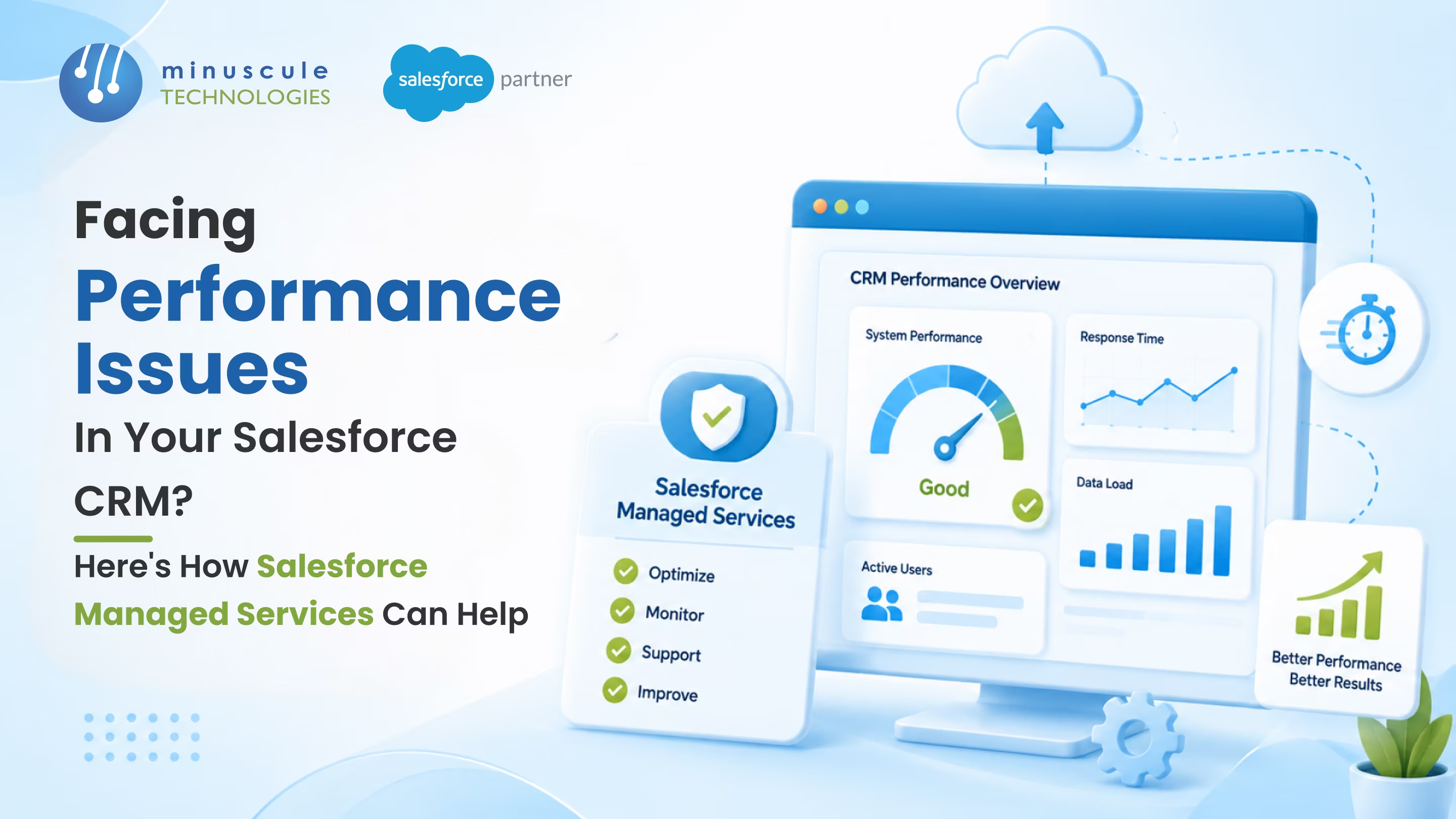
Salesforce managed services fix CRM performance issues through proactive monitoring, org cleanup, release testing, and expert tuning - instead of waiting for users to complain. The most common issues they solve: slow page loads, delayed reports, sync lag, peak-time slowdowns, bloated automation, and broken third-party links. A managed services team catches these before they cost you deals.
Your CRM's speed shapes your team's day. When Salesforce runs well, reps live in it: logging calls, moving deals, serving customers. When it slows down, everything slows with it -
The frustrating part? Most performance problems build quietly. A flow added here, a report there, a data pile growing for years. Then one Monday, page loads take eight seconds and nobody knows why.
This guide covers the six typical performance issues, what Salesforce managed services actually are, and how a managed services team keeps your org fast.
Two silent multipliers make everything worse: large data volumes (millions of records without archiving) and data skew (one account owning tens of thousands of child records). Both need expert diagnosis.
Salesforce managed services are an ongoing engagement where a dedicated team of certified experts monitors, maintains, and improves your org — for a monthly fee instead of a full-time hire. It's not just break-fix support. It's proactive care: watching performance, testing releases, cleaning tech debt, and advising on the roadmap.
The difference from standard Salesforce support: support answers your tickets. A salesforce managed services provider prevents the tickets.
Many businesses blend both: a small internal core for daily questions, a salesforce managed services partner for engineering and strategy.
Typical 2026 ranges run $2,000–$10,000+ per month, based on org size, user count, and scope. Small orgs with basic admin needs sit at the low end. Enterprises with integrations, multiple clouds, and release management sit higher.
Compare that against the alternative: a slow org that costs every rep 20 minutes a day, plus the emergency fees when something finally breaks. Prevention is the cheaper plan.
An ongoing engagement where a certified team monitors, maintains, and improves your Salesforce org for a monthly fee. It covers admin, development, integration care, release testing, and strategic advice - proactive work, not just ticket response.
Standard support reacts to issues you report. Salesforce management services work proactively: monitoring performance, testing releases before they land, and fixing root causes so issues don't recur.
Most engagements run $2,000–$10,000+ per month depending on org complexity, user count, and scope. That's typically less than one full-time senior admin — with a full team's skill range included.
Check the partner tier and certified expert count, ask for references from orgs your size, review their monitoring and release-testing process, and confirm response-time SLAs. Then ask how they'd diagnose your slowest page - a good provider talks method, not promises.
Salesforce performance problems build quietly and surface loudly. The fix isn't waiting for the next slowdown - it's continuous, expert care that prevents it.
That's what Minuscule Technologies delivers. As a Trusted Salesforce Engineering Partner with 160+ certified experts, our salesforce managed services cover proactive monitoring, org cleanup, release testing, integration care, and strategic guidance. We've kept orgs fast for enterprises across manufacturing, BFSI, real estate, and healthcare - and we document everything, so the knowledge stays with you.
Your team deserves a CRM that keeps up with them. If Salesforce has started slowing your business down, let's fix the cause - not the symptom.
Contact us for a free org health check. We'll find what's slowing you down and show you the plan to fix it.
You've seen what's possible. Now, let's make it happen for your business. Whether you need an end-to-end Salesforce solution, a complex integration, or ongoing managed services, our team is ready to deliver.

Schedule a Free Strategic Call


